Key Monastery sunrise
The most-photographed view in Spiti, and still worth the 5 AM wake-up.
 + 28 photos
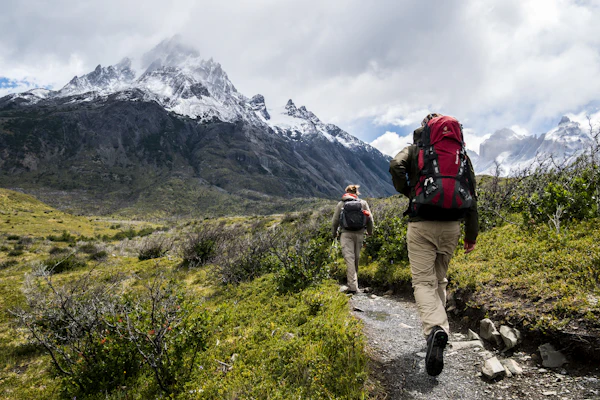
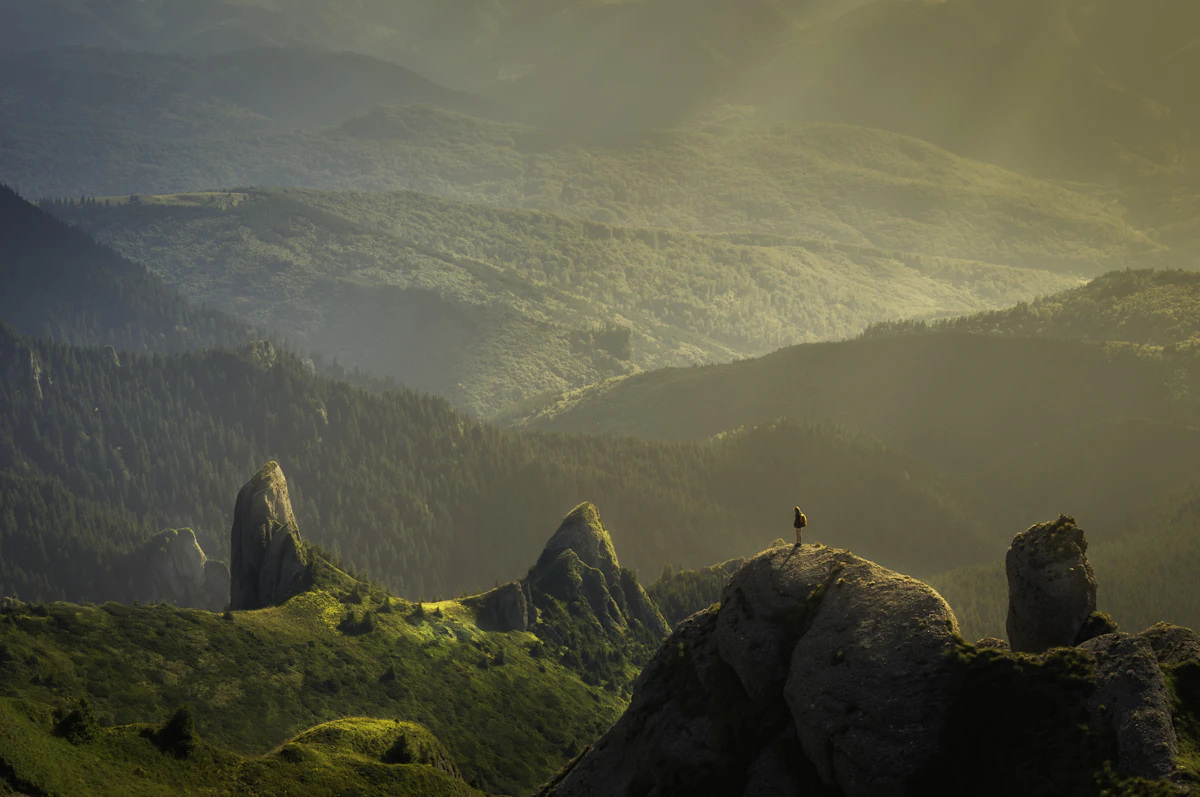
Spiti is a high-altitude desert valley tucked between Tibet and the Indian Himalayas. Picture moonscape mountains the colour of rust, monasteries clinging to cliffs, and villages where time forgot to show up. It's slow, it's brutal, it's stunning. The kind of place that turns first-time solo travelers into lifers.
You'll come for the views — Key Monastery at sunrise, Chandratal lake glowing under a Milky Way, the world's highest village at Komic. You'll stay for the people. Spitians are the most generous strangers you'll ever drink butter tea with.
The most-photographed view in Spiti, and still worth the 5 AM wake-up.
Camp at 14,100 ft beside a crescent lake. Bring layers. Bring more.
Snow leopards (rare), ibex (less rare), absolute quiet (guaranteed).
Mail a postcard from the world's highest post office, 14,567 ft up.
 Best-sellerWomen-onlyLuxury
Generally yes. Locals are warm and the tourist trail is well-trodden. The bigger risks are altitude sickness and unpredictable road conditions, not safety. Stick to popular villages (Kaza, Tabo, Kibber) and use our verified homestays.
Indian citizens don't need a permit for most of Spiti. Foreign nationals need an Inner Line Permit for sections beyond Tabo — easily arranged in Reckong Peo or Kaza for ₹250.
Two routes: (1) Manali → Kaza via Kunzum La (only open May–Oct, rougher, faster) (2) Shimla → Kaza via Kinnaur (open year-round, longer, gentler altitude gain — recommended for first-timers).
Real and common above 12,000 ft. Acclimatize in Kalpa or Nako for a night before pushing higher. Carry Diamox (consult doctor), hydrate aggressively, skip alcohol the first 48 hrs.
Backpacker: ₹1,200–1,800/day. Mid-range: ₹2,500–4,000/day. Boutique: ₹6,000+/day. Add transport (₹15,000 round-trip from Delhi).
 Maya, 28Lisbon · stays till Tue
 Arjun, 31Mumbai · arrives Mon
 Sara, 26Berlin · stays 2 wks
 Yuki, 29Tokyo · this Sat
 Karan, 24Bangalore · 3 days